
What kinds of rental unit projects do you take on?
These are the larger, one-time projects that sit outside a standard turnover, and each one is quoted separately:
- New rental units: apartment build-outs and new rental unit development.
- Conversions: multi-family property conversions and additional rental units created inside an existing property.
- Value-add renovations: work meant to raise a property's rental income and its value.
- Multi-unit and full-building projects: a whole building, unit by unit, with its common areas and balconies.
There is no minimum job size, so one unit is a job as much as a whole building. If you own several buildings, a service agreement covers the turnovers and repairs that come after the build.
What work goes into a new rental unit?
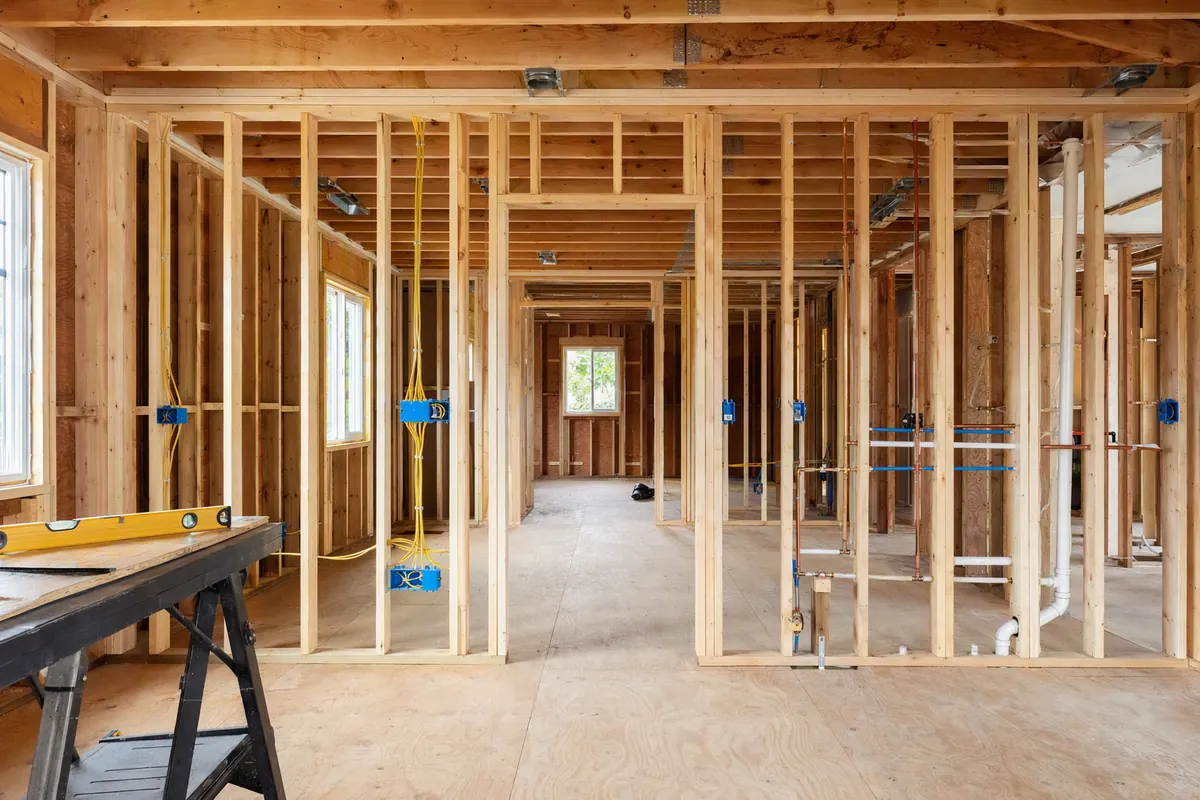
The full interior, from bare space to a unit ready for a tenant:
| Part of the job | What it covers |
|---|---|
| Framing and separation walls | A new bedroom framed in, or a wall that divides one space from another. |
| Drywall | New drywall on both sides of the new walls, taped and mudded smooth. |
| Kitchens | Old cabinets and counter removed and disposed of, new cabinets and a countertop installed. |
| Bathrooms | Michal is a plumber, so a new toilet, vanity, sink or faucet is part of the same job. |
| Flooring | New flooring, with shoe moulding wherever it goes in. |
| Doors, trim and paint | Doors hung with their hardware, casing and baseboard, and two coats of paint. |
Each trade is described on its own page: walls, framing and drywall, kitchen cabinets, flooring and doors, trim and millwork. The plumbing and electrical work that comes with a renovation project is part of the project's quote.
How is a rental unit project priced?
A project gets its own written quote before work starts: a list of every part of the job, unit by unit, each line with its own price, then HST at 13% and the total. You can see what each part costs. The apartment and commercial renovations page covers full interiors in more detail.
Do I need a permit to add or convert a rental unit?
It depends on the job and on the town. The Building Code Act says: No person shall construct or demolish a building or cause a building to be constructed or demolished unless a permit has been issued therefor by the chief building official.
(Building Code Act, 1992, s. 8) The Act defines the word: to do anything in the erection, installation, extension or material alteration or repair of a building
. (Building Code Act, 1992, s. 1) A change of use needs one in some cases too: no person shall change the use of a building or part of a building or permit the use to be changed if the change would result in an increase in hazard, as determined in accordance with the building code, unless a permit has been issued by the chief building official.
(Building Code Act, 1992, s. 10)
The City of Hamilton says to owners: It is your responsibility to ensure that a Building Permit is obtained prior to construction or demolition.
(City of Hamilton, Residential Building & Renovation) For a business unit, its page for small businesses lists Removing, adding or modifying interior walls
among the projects that need a permit. (City of Hamilton, Building Permits for Small Businesses)
Permits and planning are the owner's side: ask the building department of the town where the property is before the project is booked, and read the official pages yourself. Our guides cover adding a rental unit and permits for rental renovations.
Are you insured, and how do I start?
Yes. Reborn Renos is insured and covered by WSIB, and your satisfaction is guaranteed, as written in your contract. We work in Beamsville, Lincoln, Grimsby, Stoney Creek, Hamilton, St. Catharines, Thorold and Niagara Falls. Call (905) 920-1418, Monday to Saturday, 7 am to 7 pm, or send the details on the request page: the property, what you want built, and photos or plans if you have them.